
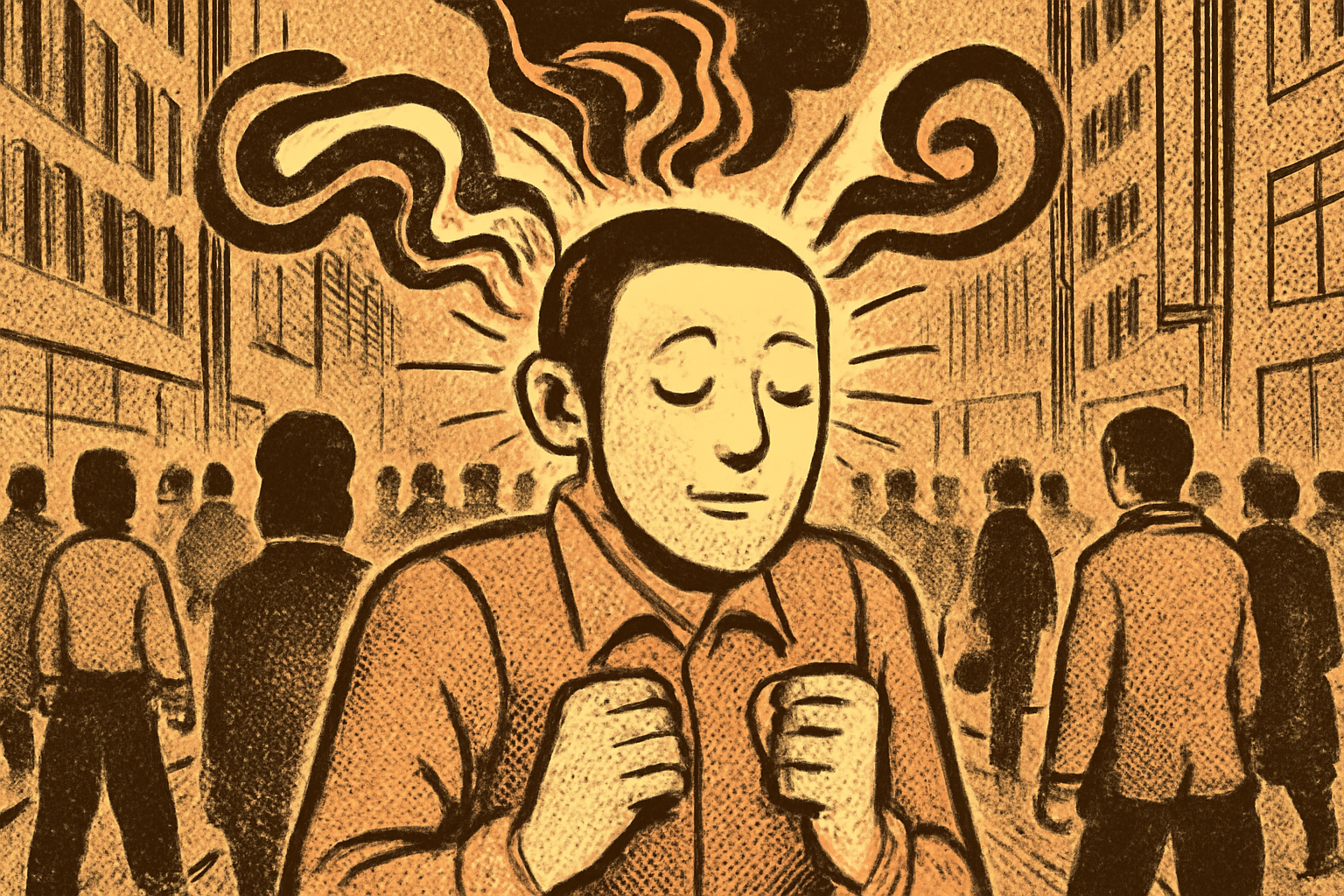
Stress permeates various aspects of daily life, manifesting in both psychological and physical forms. Psychological stress occurs when the demands placed on an individual exceed their perceived ability to cope. Studies show that such stress often leads to cognitive and emotional consequences, including anxiety, depression, and a diminished sense of well-being. This state of internal turmoil can prompt individuals to "smile while suffocating inside," maintaining external composure while experiencing inner distress.
On a physical level, stress can initiate the body's "fight or flight" response, leading to the release of stress hormones like cortisol and adrenaline. Chronic activation of this response can result in adverse health outcomes, such as hypertension, cardiovascular diseases, and a weakened immune system. The physiological ramifications of stress are substantial, contributing to fatigue, sleep disturbances, and chronic pain, further amplifying psychological distress.
The intricate interplay between psychological and physical stress underscores the importance of effective stress management techniques. Evidence-based approaches, such as cognitive-behavioral therapy (CBT), mindfulness, and physical activity, have been shown to mitigate the effects of stress by enhancing coping mechanisms, fostering resilience, and improving overall mental health. Understanding the dual impact of stress on mind and body is crucial for developing comprehensive strategies that address both emotional and physiological dimensions, promoting well-being and preventing long-term health issues.